

Moving to Tokyo: the complete guide for foreigners (2026)
Updated on
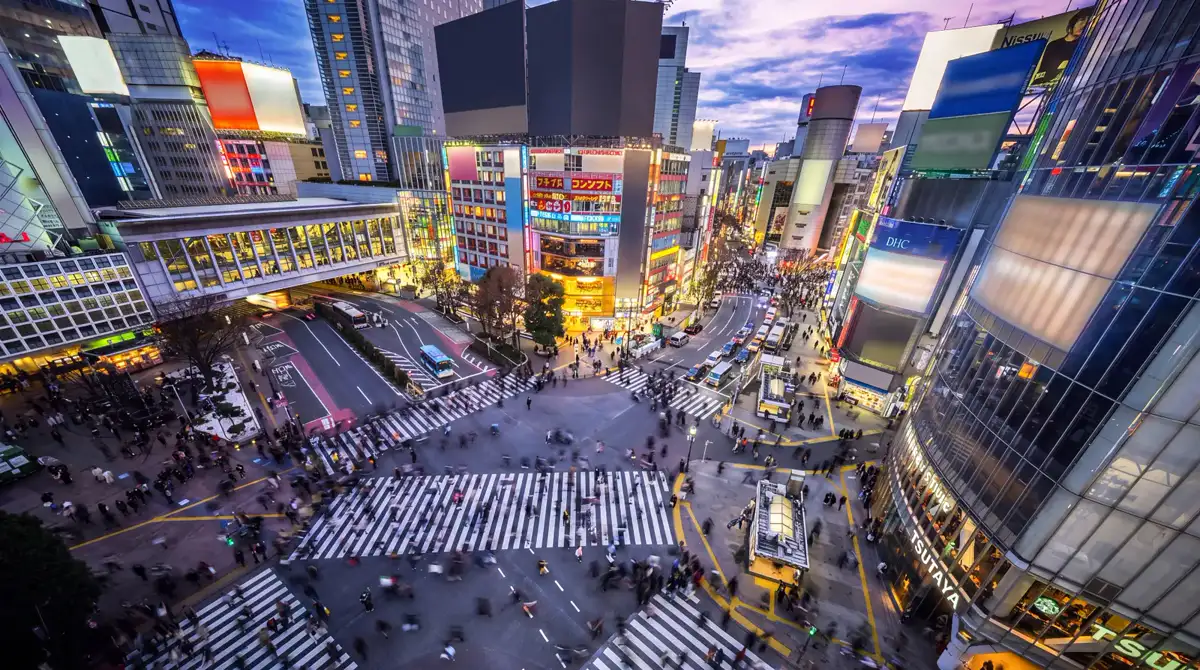
Japan has never had so many foreign residents: 4,281,026 at the end of June 2026. Moving to Tokyo still means a series of precise formalities, each with its own deadline. Here are the steps in order, with up-to-date figures and a detailed guide for each one.
Tokyo in figures for newcomers
- 4,281,026 foreign residents lived in Japan at the end of June 2026. That is 3.5% of the population, up 3.8% since the end of 2025 (Nippon.com / Jiji Press).
- 783,702 foreign residents lived in Tokyo on 1 January 2026, more than in any other prefecture (Nippon.com).
- Tokyo ranks 10th out of 173 cities in the Economist Intelligence Unit's 2026 liveability index, with a score of 100 for stability, healthcare and education (Tokyo Weekender).
- Inflation stood at 2.6% over one year in October 2026 in the central wards, excluding fresh food, down from 2.7% in September (Trading Economics).
Step 1: get the right status of residence
Everything starts with your status of residence, whether for work, as a spouse, to run a business or on a working holiday. It decides what you can do in Japan and for how long.
Fees rose sharply on 1 October 2026. A one-year renewal now costs ¥33,000 at the counter (¥27,000 online), compared with ¥6,000 before. Every amount is listed in our guide to Japan visa renewal fees.
Planning to start a company? Read our guide to the Business Manager visa first. Hoping to stay for good? See our guide to permanent residency.
Step 2: find a place to live
Tokyo's rental market is tight: rents in the 23 wards rose 6.0% in one year, according to Savills. Move-in costs often add up to two months' rent or more.
Our guide to renting an apartment in Tokyo explains everything. If you want to buy, read our guide to buying property in Japan.
Step 3: register at city hall within 14 days
Once you have an address, you have 14 days to register it at your ward office. Bring your residence card, or your passport if you did not receive the card at the airport (Toshima City).
This registration opens the way to the next steps: your My Number, health insurance and certificate of residence (jūminhyō). You will need this certificate for many formalities, including converting a foreign driving licence.
Since 14 June 2026, you can also apply for a single card that combines your residence card and your My Number card. It is optional.
Step 4: health insurance and pension
Since 1 December 2025, the old health insurance cards are no longer valid. Your My Number card, linked to your insurance, now serves as your health insurance card. From June 2027, whether you have paid your contributions should also count when you renew your visa.
Our guide to health insurance and pension in Japan explains how it works.
Step 5: organise family life
In Tokyo, licensed daycare has been free for the first child aged 0 to 2 since September 2025. Every child aged 0 to 18 also entitles the family to ¥5,000 a month. Our guide to living in Tokyo with a family covers daycare, allowances and schools.
Step 6: work and drive
The job market still favours candidates, especially in IT, logistics and maintenance. See our guide to working in Japan.
Converting a foreign driving licence became harder in October 2025. The knowledge test now has 50 questions and requires 90% correct answers (Nippon.com / Jiji Press). Holders of a licence from 29 countries or regions, including France, Belgium, Switzerland and Canada, are exempt from the knowledge and driving tests (Tokyo Metropolitan Police). Our guide to converting a driving licence lists the documents you need.
Step 7: prepare for earthquakes
In your first week, install an alert app, find your evacuation site and store at least three days of supplies. Our earthquake preparedness guide explains how.
Plan around the administrative calendar
Government offices in Japan close every year from 29 December to 3 January (Act on Holidays of Administrative Organs, art. 1). For winter 2026–2027, the last working day is Monday 28 December, and offices reopen on Monday 4 January. Opening hours vary from ward to ward (Setagaya example).
Arriving at the end of December can therefore delay your city hall registration, and every formality that depends on it.
Getting support with your move
Kizuna Relo supports newcomers settling in the Tokyo area, in French and in English. We help with your home search, your settling-in formalities and with everyday concierge requests. To talk about your move, tell us about your project.
Frequently asked questions
Sources
- Nippon.com / Jiji Press, 16 October 2026: foreign residents at the end of June 2026
- Nippon.com, Japan Data: foreign residents in Tokyo
- Tokyo Weekender, 9 July 2026: EIU 2026 ranking
- Trading Economics, 29 October 2026: inflation in Tokyo
- Immigration Services Agency, fee schedule (PDF)
- Toshima City: registration within 14 days
- Nippon.com / Jiji Press, March 2026: stricter licence conversion since October 2025
- Tokyo Metropolitan Police, updated 7 September 2026: countries exempt from the tests
- Act on Holidays of Administrative Organs
Related guides
Updated on
Renting an apartment in Tokyo as a foreigner: rents and costs in 2026
Average rents, move-in costs and what landlords expect: the essentials for renting an apartment in Tokyo as a foreigner.
Updated on
Japan residence permit in 2026: new fees, residence card and rules
New fees since October 2026, the combined residence and My Number card, contributions checked at renewal: the full update.
Updated on
Living in Tokyo with a family: daycare, child allowance and the French school (2026)
Free daycare, the 018 Support allowance, the French international school: the essentials for moving to Tokyo with children.